
Bounce Back
Supported by:

Bouncing back is all about resilience. Resilience means you can have a tough day, but you don’t stay down. You get back up and get stronger each time. When people, communities, or ecosystems are resilient, they overcome obstacles and bounce back from hard times.
- Resilience can help a person get through tough times, such as personal loss, injury, or illness.
- Nature models resilience all the time, and has been bouncing back from disruption for millions of years. When we nurture the ecosystems around us, we become part of that recovery.
- Extreme Weather tests us. But resilient communities that prepare together and look out for each other don't just survive, they come back stronger.
- Resilient food systems help communities provide safe, nutritious, and accessible food for all despite environmental, economic, or social shocks.

Supported SDGs:
No items found.
Game Design Prompt:
Design a game where the player boosts the resilience of someone or something to help them bounce back from challenges.
Sustainable Development Goals
No items found.
Theme Arcade
Bounce Back
Your Box
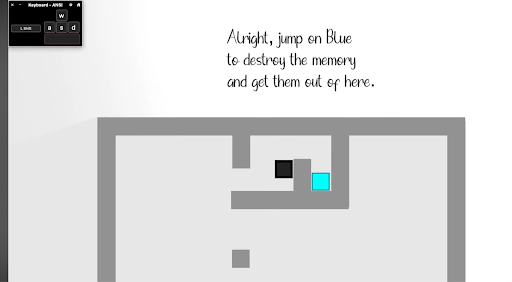
Your Box is a 2D platformer about the 5 Stages of Grief. Navigate the world inside your head and achieve closure from a personal loss.
Your Box
Bounce Back
New Sun
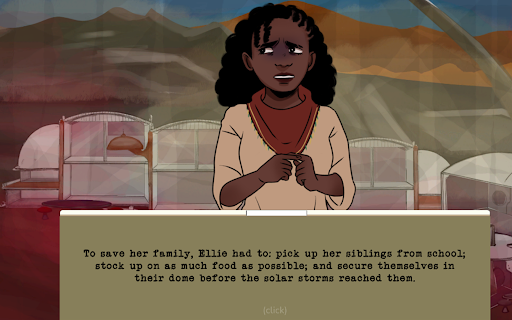
Players help three siblings navigate the emotional challenges of living through a lockdown, supporting them as they cope with boredom, fear, and the changing dynamics of family life.
New Sun
Bounce Back
Stop Disasters
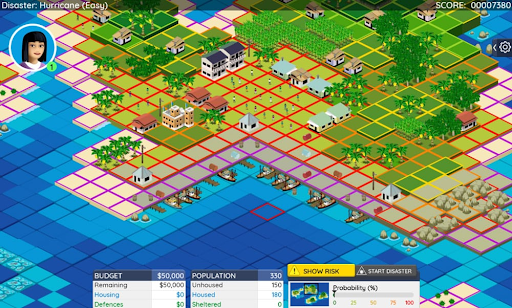
Through play, users explore how decisions about where people live, how buildings are constructed, how ecosystems are protected, and how communities prepare influence what happens when a hazard strikes.
Stop Disasters